
The Role of Cement Strength in Reinforced Concrete Performance
17.03.2026
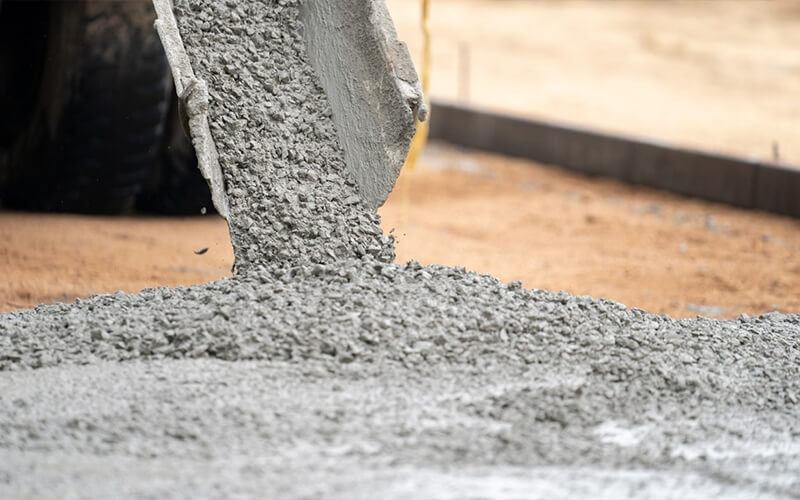
Reinforced concrete is one of the most widely used construction materials in the world, combining the compressive strength of concrete with the tensile strength of steel reinforcement. At the heart of this composite system lies cement, the key ingredient that binds all components together. The strength of cement plays a vital role in determining how well reinforced concrete performs under different types of loads and environmental conditions.
Understanding the relationship between cement strength and reinforced concrete performance is essential for engineers, contractors, and project owners. High-quality cement ensures not only structural safety but also long-term durability, while low-strength cement can compromise the integrity of the entire structure. In this article, we will explore how cement strength influences reinforced concrete behavior and why it is a critical factor in modern construction.
What Is Cement Strength?
Cement strength refers to the ability of hardened cement paste to withstand applied forces without failure. It is typically measured as compressive strength at specific time intervals such as 3, 7, and 28 days. High-strength cement develops stronger bonds within the concrete matrix, contributing to improved overall performance.
The strength of cement depends on its chemical composition, fineness, and manufacturing process. Consistent production and strict quality control are essential to ensure that the cement meets required performance standards for structural applications.
Impact on Compressive Strength of Concrete
The compressive strength of concrete is directly influenced by the strength of the cement used. Since concrete primarily تحمل compressive loads, stronger cement results in higher مقاومة against crushing forces. This is particularly important in structural elements such as columns, beams, and foundations that carry significant loads.
Using low-strength cement can limit the load capacity of reinforced concrete, leading to premature failure or the need for additional reinforcement. High-strength cement, on the other hand, enhances the structural efficiency and allows for more optimized designs.
Bond Strength Between Steel and Concrete
In reinforced concrete, the interaction between steel reinforcement and concrete is crucial for structural performance. Cement strength directly affects the bond strength between these two materials. High-strength cement creates a dense and मजबूत concrete matrix that firmly grips the reinforcement bars.
A weak bond due to low-quality or low-strength cement can cause slippage between steel and concrete, reducing the effectiveness of reinforcement. This can compromise the structure’s ability to resist bending and shear forces.
Durability and Long-Term Performance
Cement strength plays a key role in the durability of reinforced concrete structures. High-strength cement produces a denser and less porous concrete, which reduces the penetration of water, chemicals, and other harmful agents. This helps protect both the concrete and the embedded steel reinforcement from deterioration.
Structures built with low-strength cement are more vulnerable to environmental damage such as corrosion, freeze-thaw cycles, and chemical attacks. Over time, this reduces the load-bearing capacity and shortens the service life of the structure.
Crack Resistance and Structural Integrity
Cracking is a common issue in reinforced concrete, and cement strength has a direct impact on crack resistance. High-strength cement improves the cohesion within the concrete, reducing the likelihood of crack formation under stress. This ensures better load distribution and maintains structural integrity.
Low-strength cement increases the risk of microcracks, which can grow and compromise the structure over time. Cracks not only weaken the concrete but also allow moisture and chemicals to reach the reinforcement, accelerating corrosion.
Effect on Flexural and Tensile Performance
While concrete is inherently weak in tension, the strength of cement still influences its overall behavior under tensile and flexural loads. High-strength cement contributes to a more uniform stress distribution, enhancing the همکاری between concrete and steel reinforcement.
This improved interaction allows reinforced concrete elements to better resist bending and tensile forces. In contrast, low-strength cement can lead to uneven stress distribution and reduced performance under such conditions.
Workability and Placement Efficiency
Cement strength also affects the workability of concrete mixes. High-quality, high-strength cement often provides better consistency and easier handling during mixing and placement. This ensures proper compaction and reduces the likelihood of voids or weak نقاط داخل the structure.
Poor-quality cement can lead to difficulties in placement, resulting in honeycombing and other defects that negatively impact structural performance. Proper workability is essential for achieving the desired strength and durability in reinforced concrete.
Optimizing Structural Design
The use of high-strength cement allows engineers to design more efficient and economical structures. With higher compressive strength, it is possible to reduce the size of structural elements while maintaining the required load capacity. This leads to material savings and improved construction efficiency.
Conversely, using low-strength cement may require larger cross-sections and additional reinforcement to meet design requirements. This increases construction costs and reduces overall efficiency.
Quality Control and Standard Compliance
Ensuring consistent cement strength requires strict quality control and adherence to industry standards. Manufacturers conduct various tests to verify compressive strength, setting time, and chemical composition. These measures help guarantee that the cement will perform reliably in reinforced concrete applications.
Using certified cement that meets international standards minimizes risks and ensures that the structure can safely تحمل design loads. Quality assurance is a critical step in achieving long-term structural performance.
Conclusion
The strength of cement is a fundamental factor that influences every aspect of reinforced concrete performance. From compressive strength and bonding ability to durability and crack resistance, cement strength determines how well a structure can تحمل loads and resist environmental challenges.
Investing in high-strength, high-quality cement is essential for building safe, durable, and efficient structures. By understanding its role and selecting the right materials, construction professionals can ensure optimal performance and long-term reliability in reinforced concrete systems.